
إنطلاق مؤتمر أسبوع العمل العالمي للتعليم 2026 في الأردن تحت شعار:”لتبقَ الشعلة متقدة من أجل التعليم”
انجاز- موزه فريحات / ناديه العنانزه
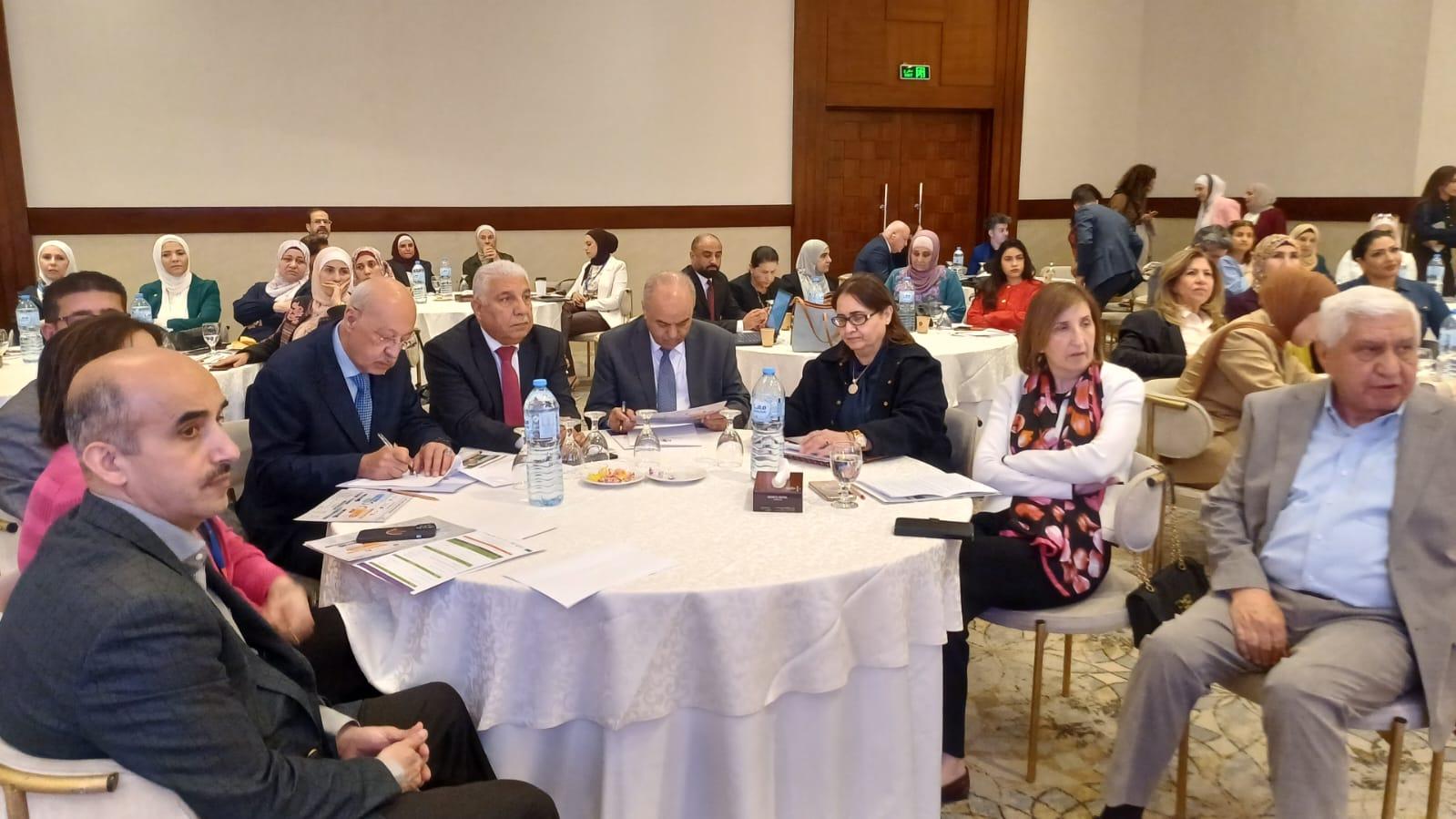
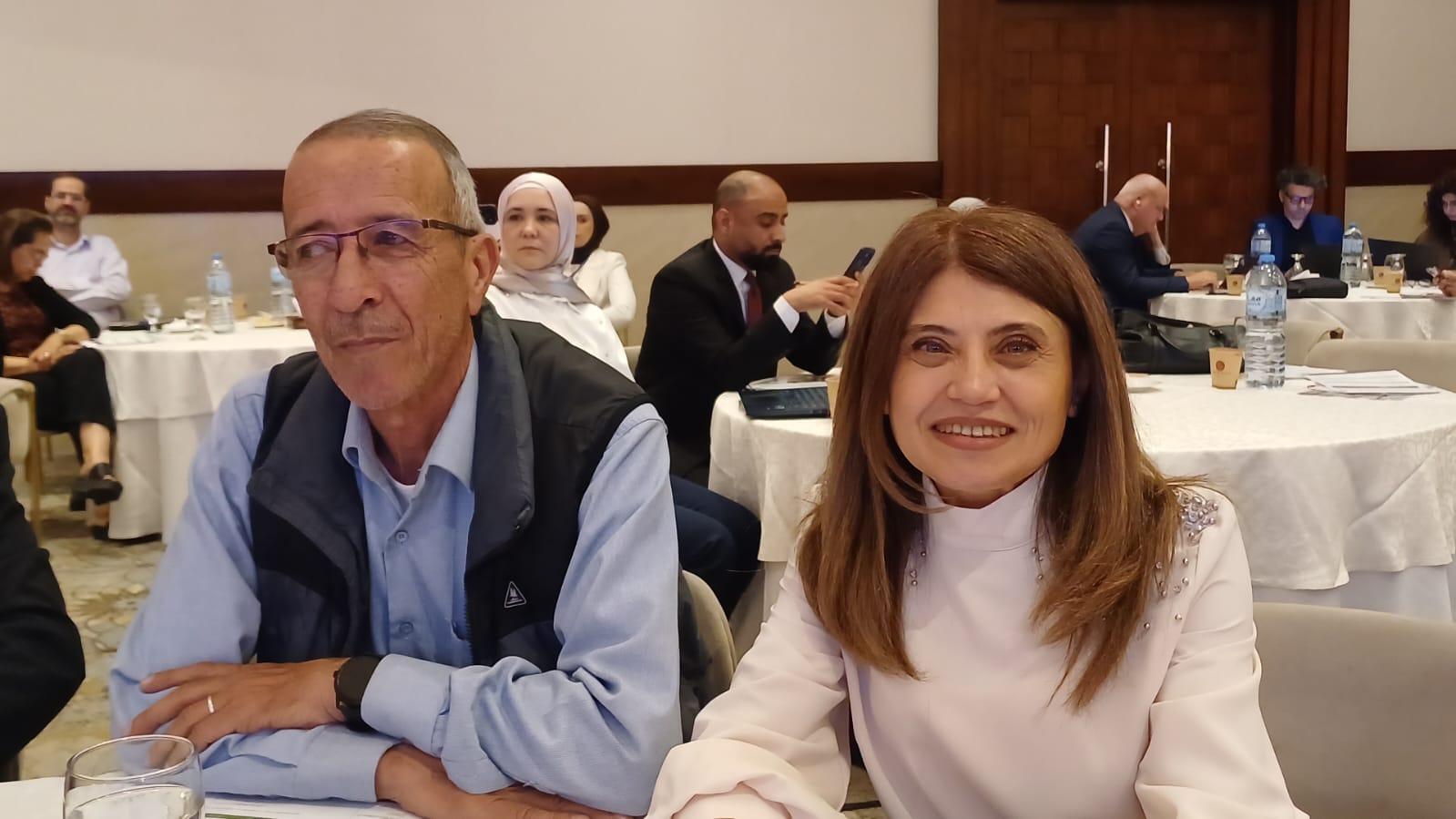
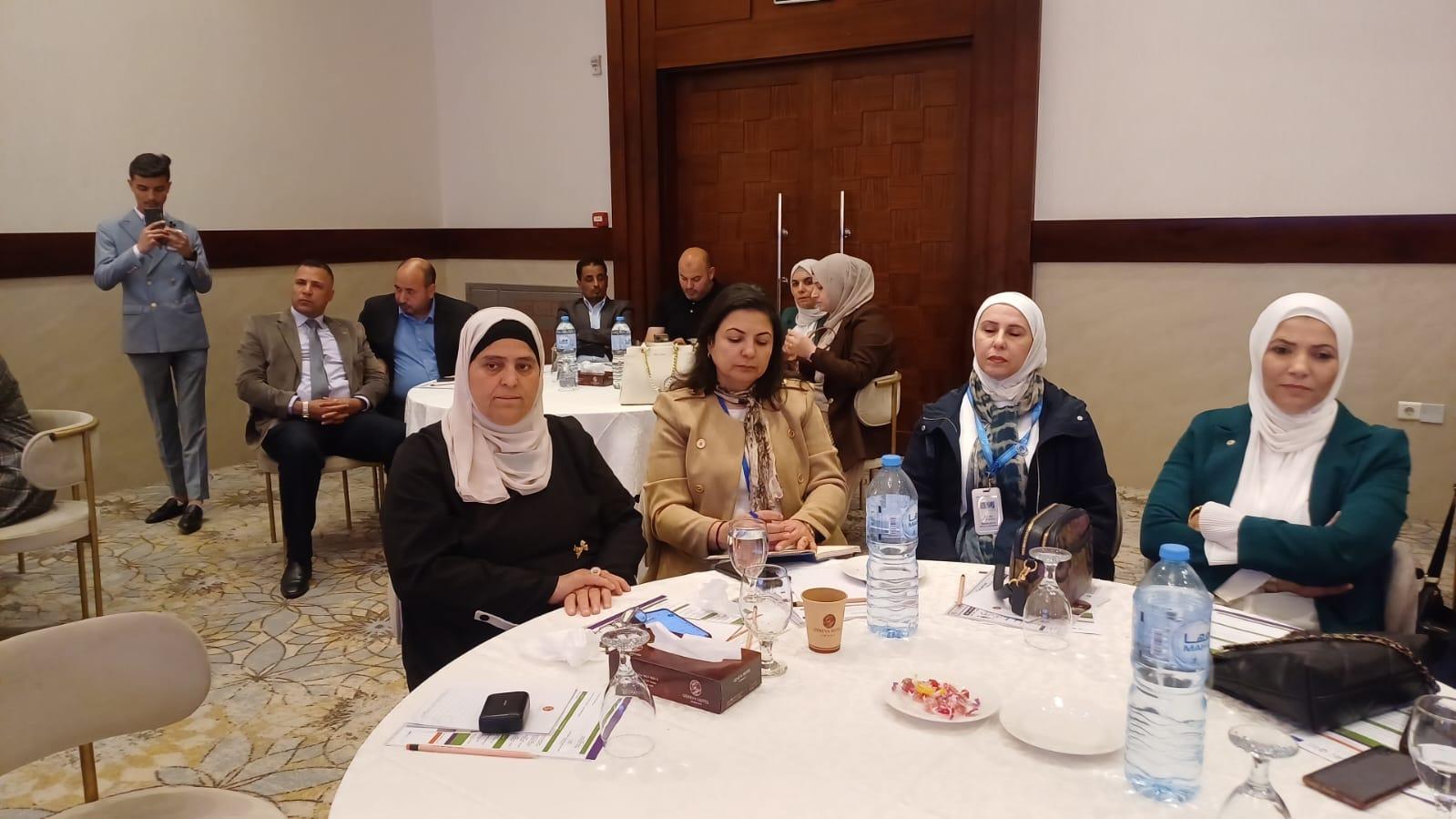
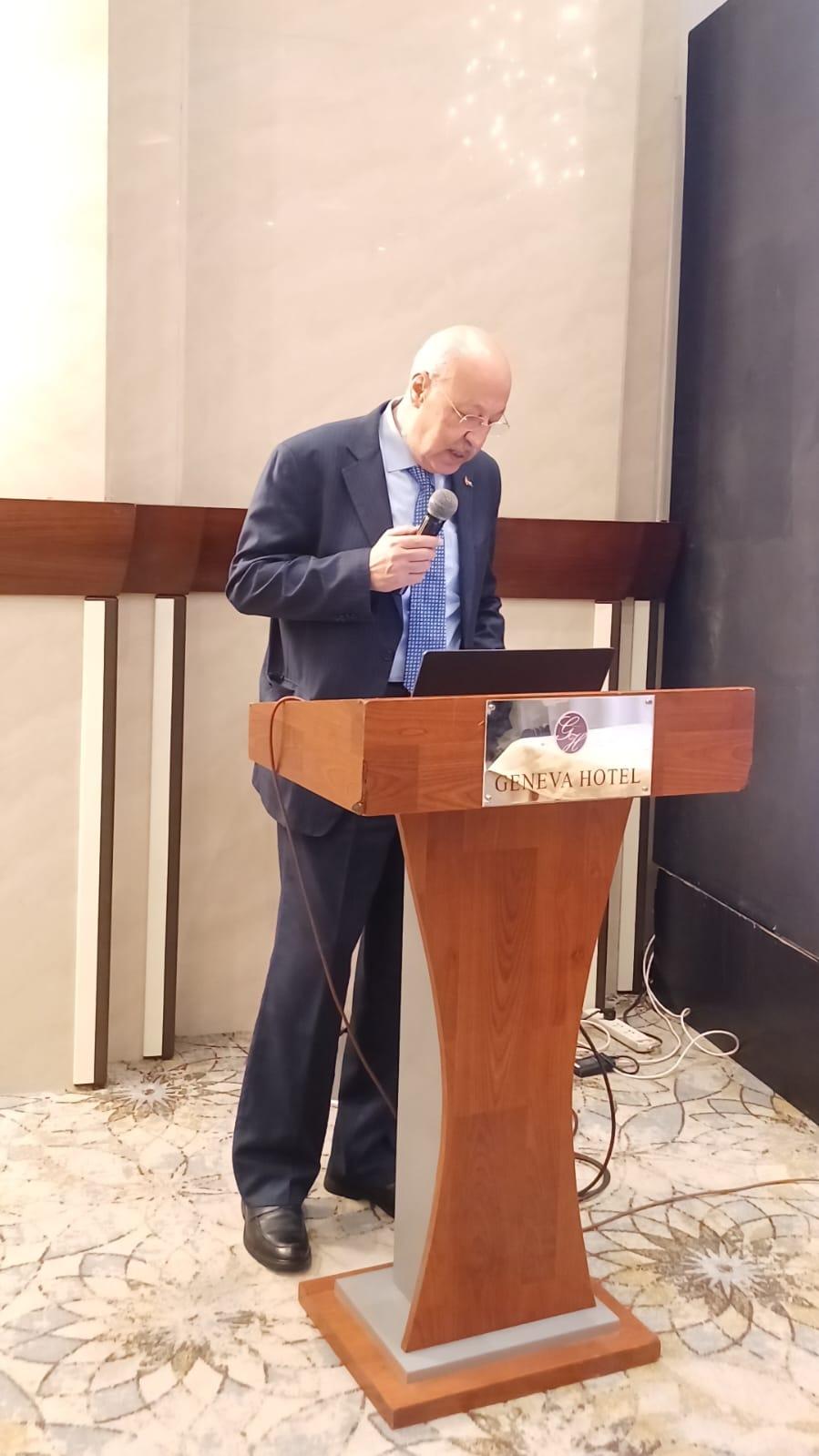
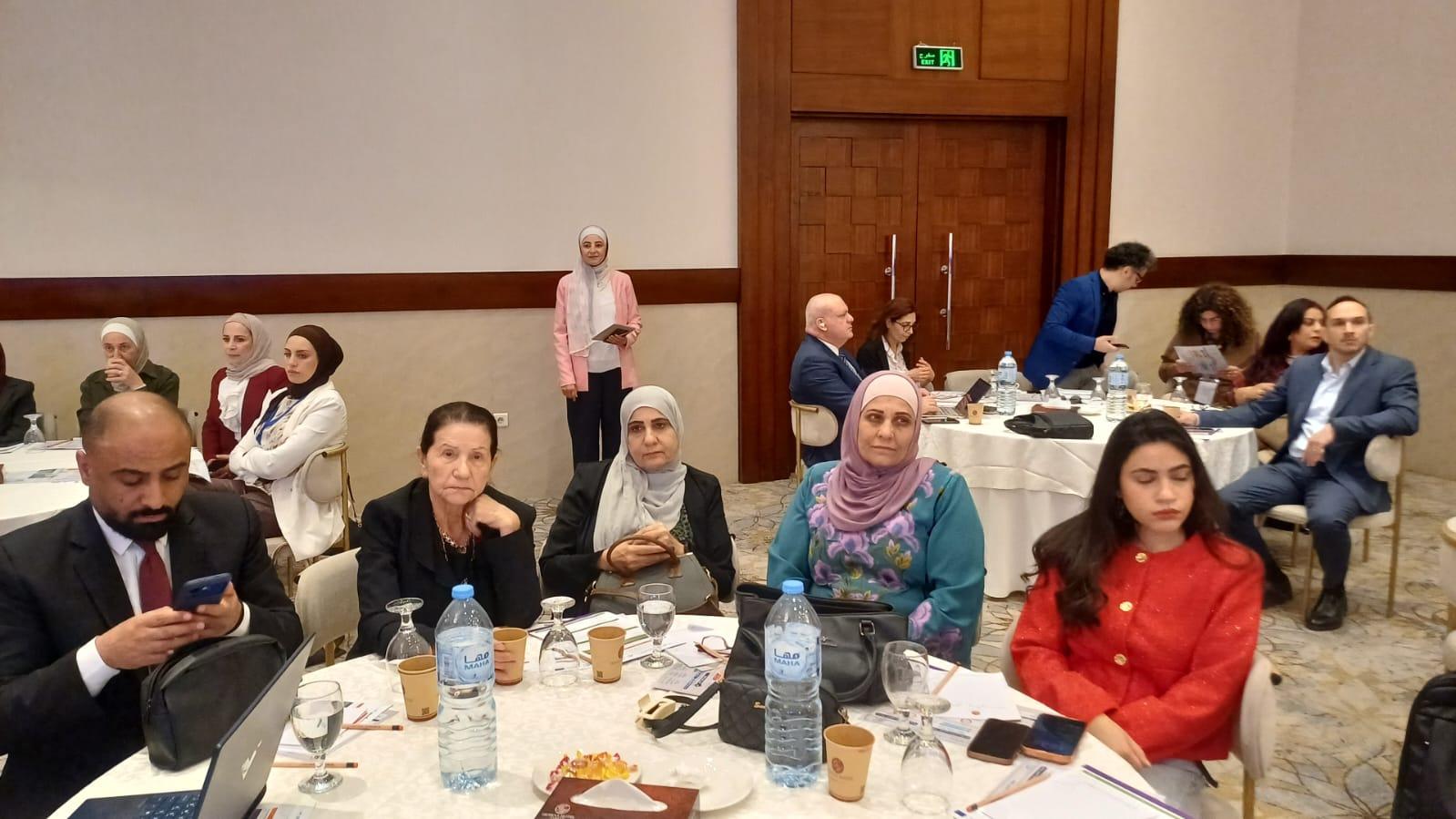
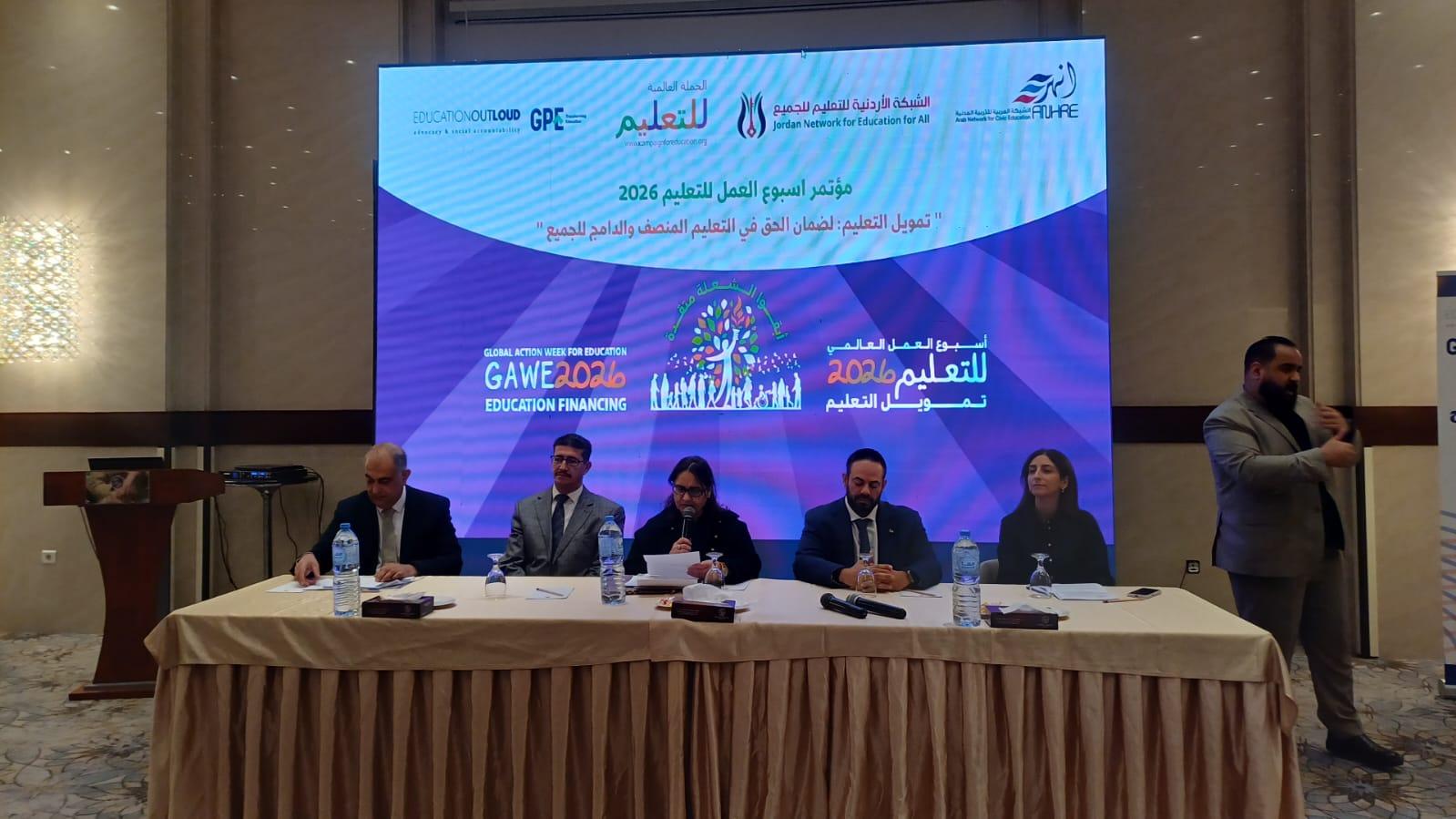
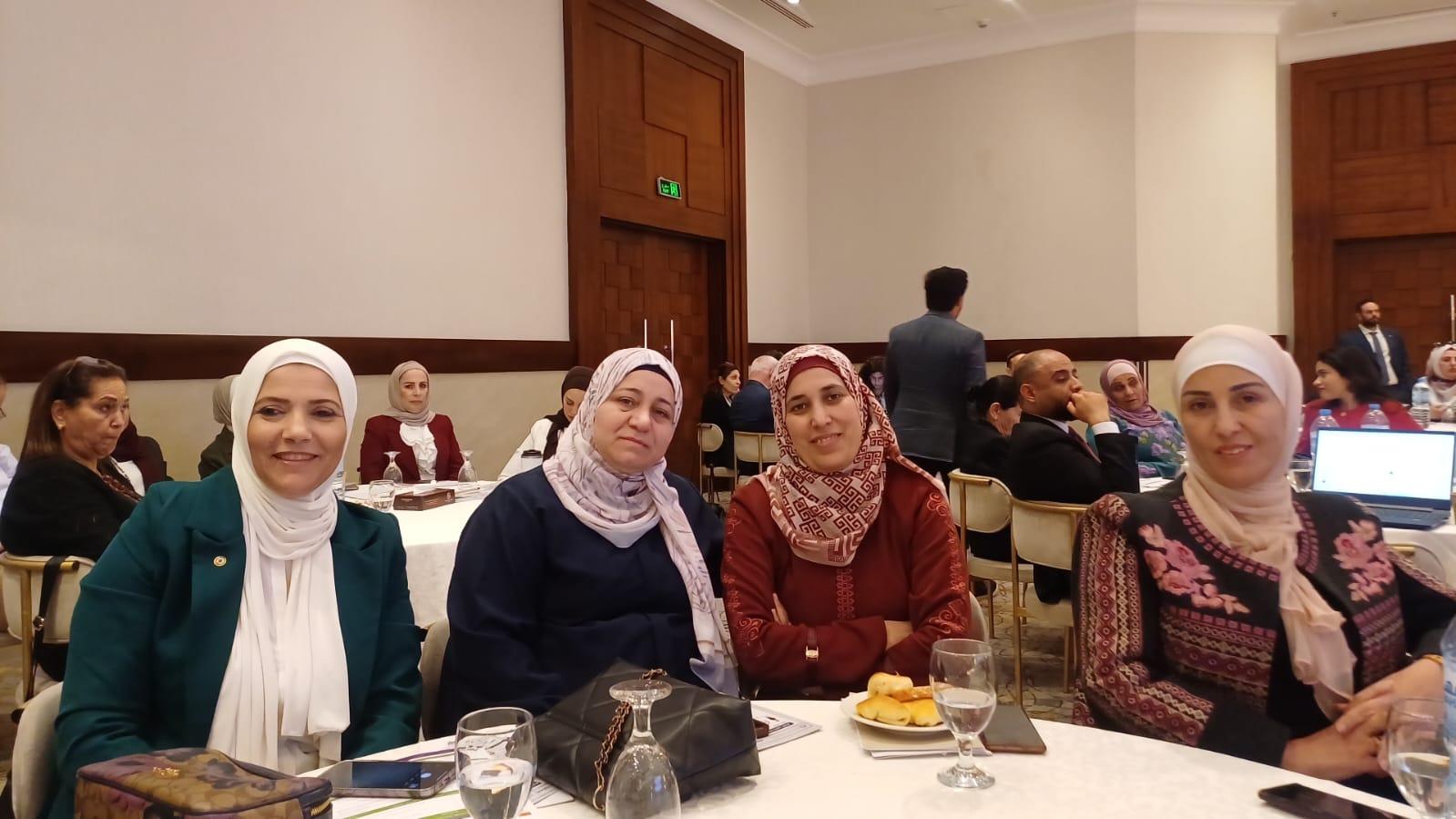
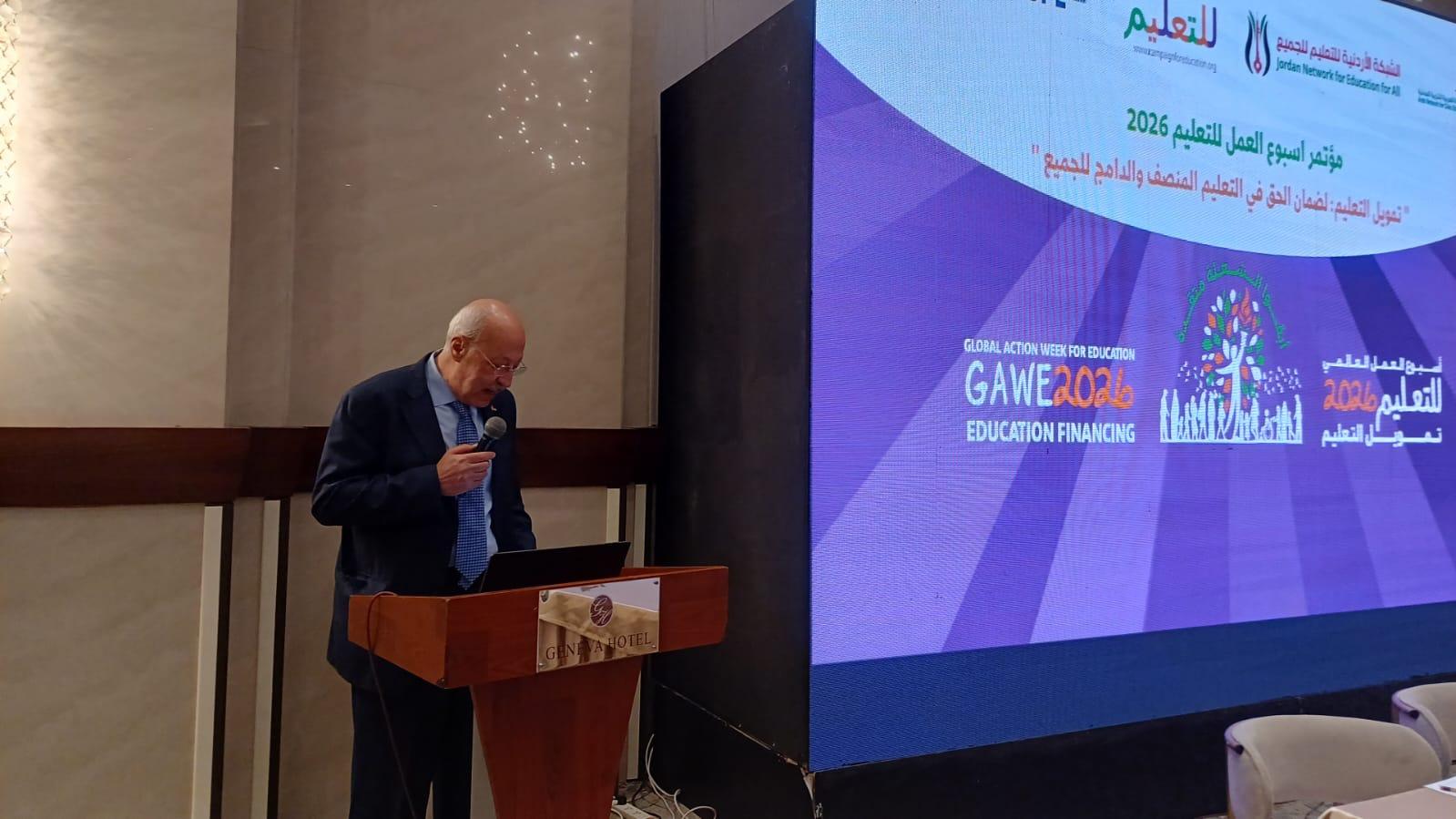
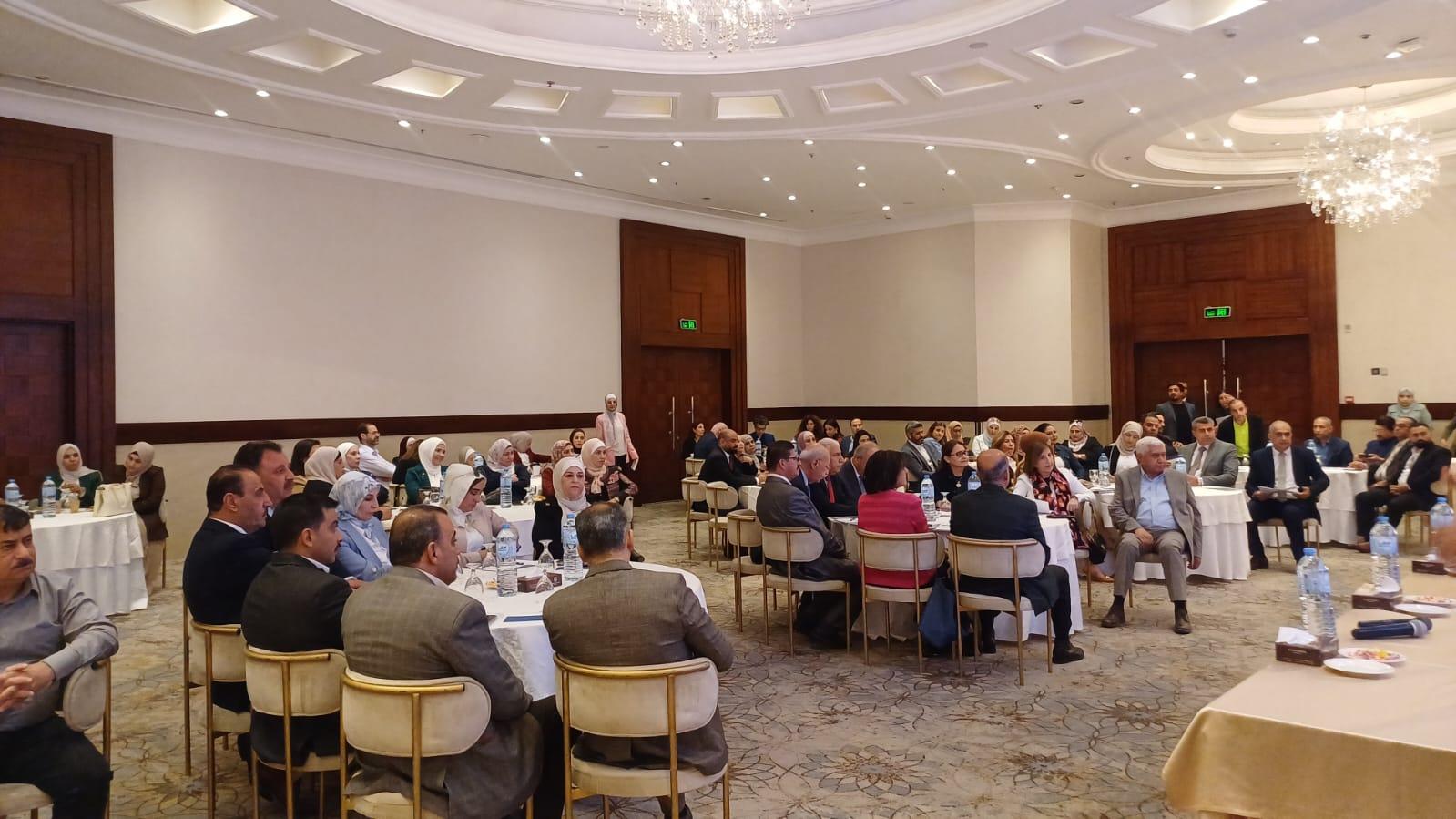
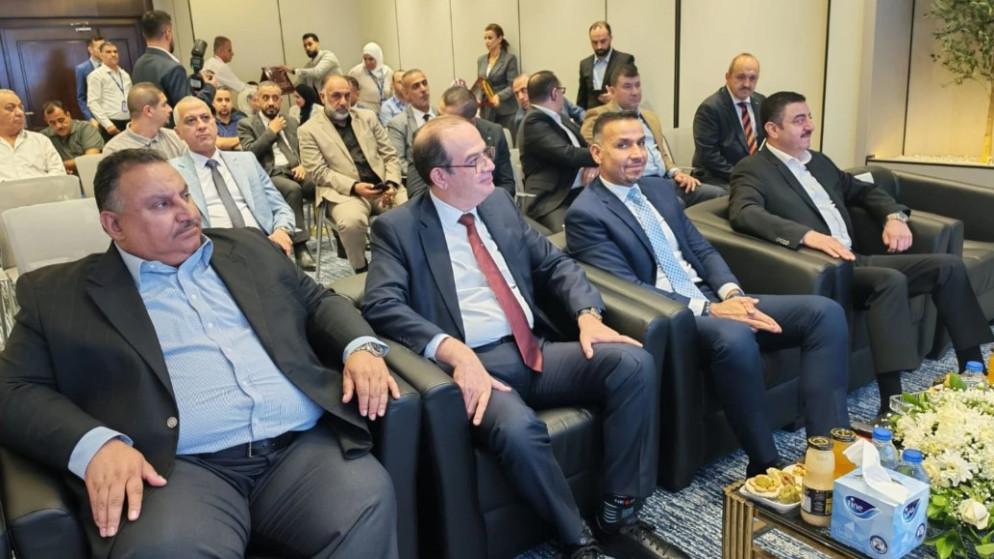
تحت رعاية معالي وزير التربية والتعليم والتعليم العالي والبحث العلمي الأستاذ الدكتور عزمي محافظة، نظمت الشبكة العربية للتربية المدنية – أنهر، والشبكة الأردنية للتعليم للجميع، مؤتمر أسبوع العمل العالمي للتعليم 2026 في الأردن، وذلك يوم الاثنين الموافق 27 نيسان/أبريل 2026 في فندق جنيفا، تحت شعار: “تمويل التعليم: لضمان الحق في التعليم المنصف والدامج للجميع”.
وجاء انعقاد المؤتمر ضمن حملة اسبوع العمل العالمي للتعليم ، التي تُنظَّم سنويًا في مختلف دول العالم، بهدف تعزيز الحق في التعليم وحشد الجهود لضمان توفير تعليم نوعي، شامل، ومنصف للجميع، حيث ركّزت نسخة هذا العام على تمويل التعليم باعتباره أحد أبرز التحديات التي تواجه تحقيق الهدف الرابع من أهداف التنمية المستدامة.
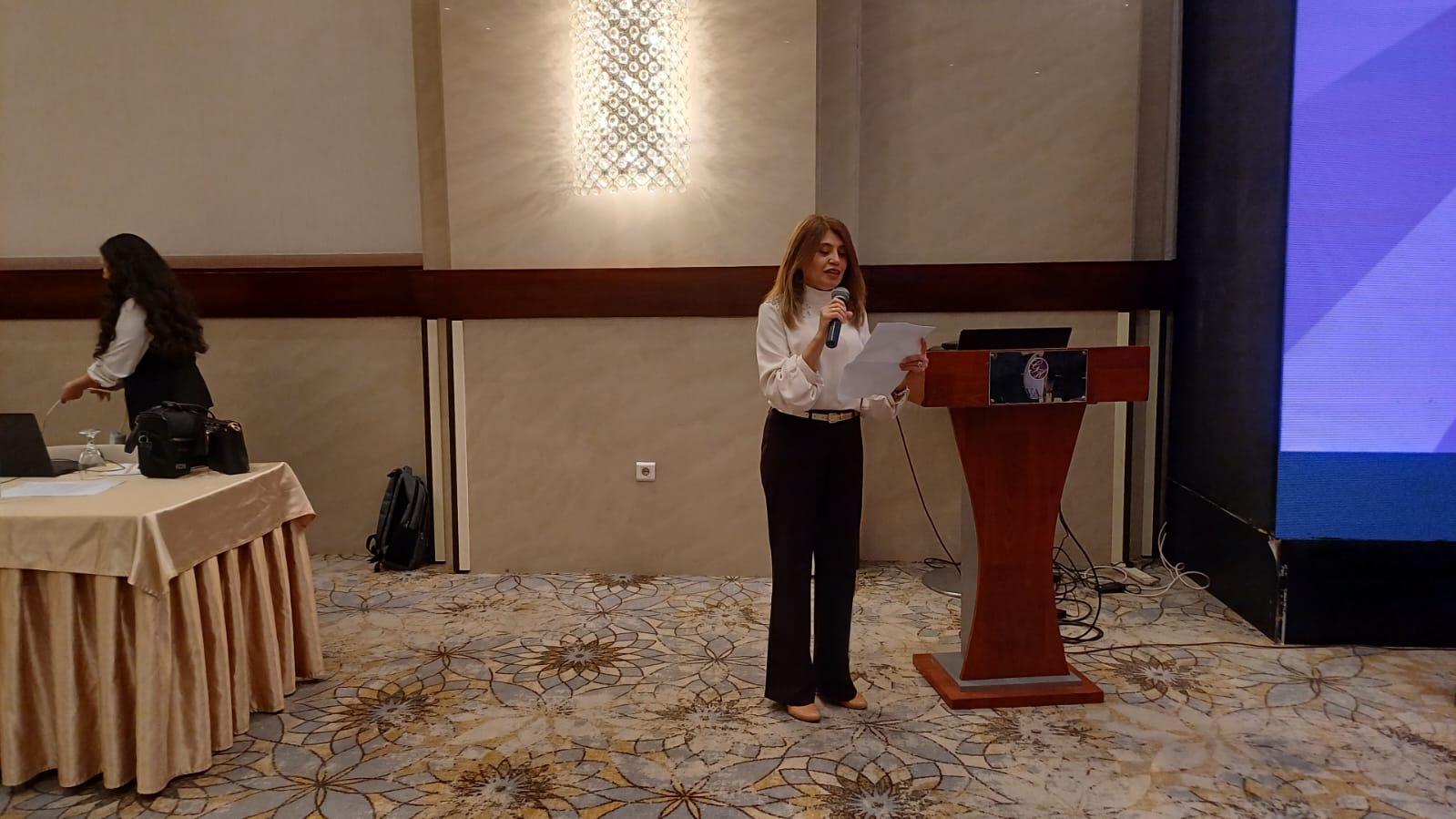
وفي كلمتها الافتتاحية، أكدت السيدة فتوح يونس المديرة التنفيذية للشبكة العربية للتربية المدنية (انهر) على أهمية تعزيز الاستثمار في التعليم كمدخل رئيسي لتحقيق التنمية المستدامة، مشددة على ضرورة تبني سياسات تمويلية عادلة ومستدامة.
وذكر الاستاذ خليل رضوان رئيس الشبكة الأردنية للتعليم للجميع أهمية تعزيز استجابة موازنة قطاع التعليم في الأردن لاحتياجات الفئات الأكثر عرضة للتهميش، من خلال زيادة وتخصيص تمويل كافٍ وواضح لبرامج التعليم الدامج وبرامج الدعم الموجه، بما يضمن تقليص الفجوات وتحقيق العدالة في الوصول إلى التعليم
كما تضمّن المؤتمر كلمات ترحيبية من معالي المفوض العام للمركز الوطني لحقوق الانسان جمال الشمايلة الذي أكد على الدور المحوري للمؤسسات الوطنية لحقوق الإنسان، ومنها المركز الوطني لحقوق الانسان التي تقع على عاتقها مسؤولية تعزيز وحماية هذا الحق، من خلال رصد السياسات التعليمية، وتقييم مدى توافقها مع المعايير الدولية لحقوق الانسان ، والدفع نحو تبني ممارسات تعليمية دامجة تراعي حقوق الجميع.، بالإضافة الى كلمة للسيدة رنا شعبان عضو مجلس أمناء الأكاديمية الملكية للتعليم الدامج للأشخاص ذوي الإعاقة، والتي أكدت على أهمية تعزيز التعليم الدامج كجزء أساسي من منظومة التعليم الوطنية وعلى دور الأكاديمية في هذا المجال.
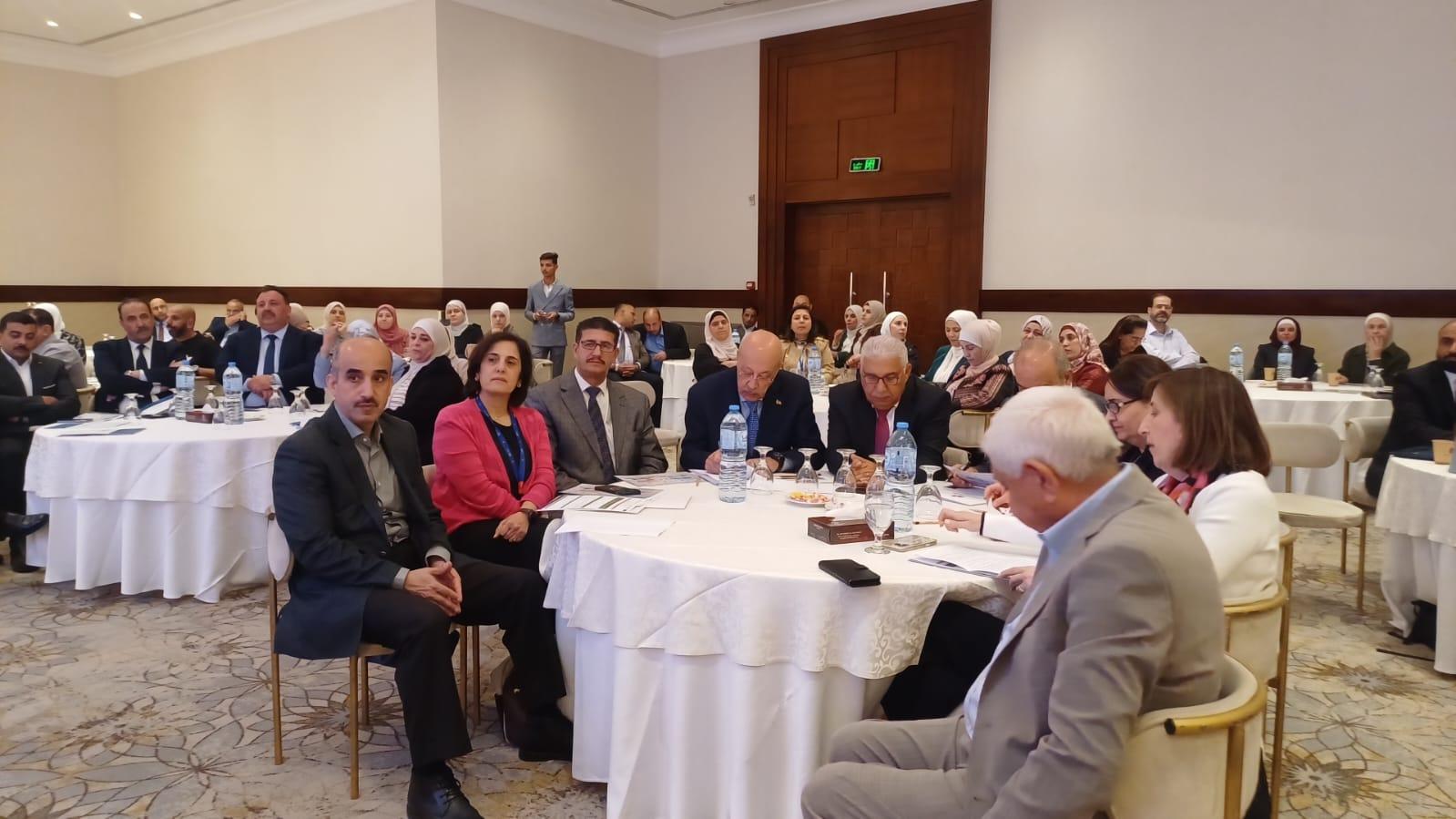
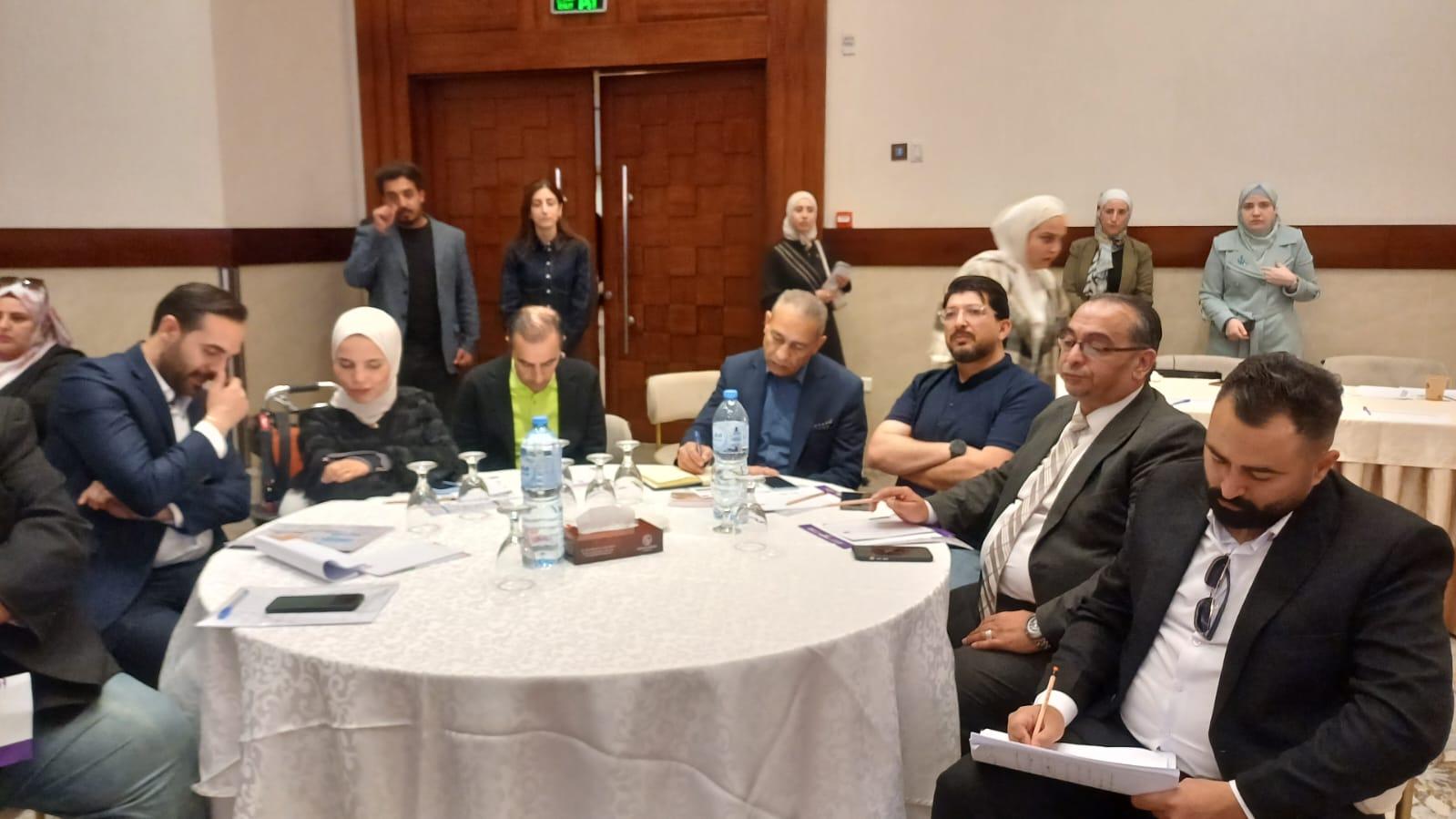
وشهد المؤتمر عقد جلسة نقاش رئيسية بعنوان “واقع تمويل التعليم في الأردن”، شارك فيها ممثلون عن وزارة التربية والتعليم والأكاديمية الملكية للتعليم الدامج للأشخاص ذوي الاعاقة وممثل عن الشبكة الاردنية للتعليم للجميع والمجتمع المدني، حيث ناقشت الجلسة عددًا من القضايا المحورية، من أبرزها تحليل فجوات تمويل التعليم وتأثيرها على جودة الخدمات التعليمية وعدالتها وقدرتها على الاستجابة لاحتياجات الفئات الأكثر هشاشة، إلى جانب استعراض رؤية الوزارة لتعزيز التمويل المحلي لضمان تحقيق أهداف التعليم بحلول عام 2030 والالتزامات في ضوء الالتزامات في قمة تحويل التعليم والخطة الاستراتيجية الجديدة 2026-2030 إضافة إلى التحديات المرتبطة بتمويل التعليم الدامج في ظل محدودية الموارد وأخيرا تم تسليط الضوء على ما تقوم به الشبكة الأردنية للتعليم للجميع ممثلة بأعضاءها من مؤسسات المجتمع المدني المحلي من مختلف المحافظات لمناصرة الحق في التعليم
وأكدت المنسقة الوطنية للشبكة الأردنية للتعليم للجميع، السيدة عبير دروزه، “أن ضمان الحق في التعليم المنصف والدامج لا يتحقق فقط من خلال السياسات، بل عبر جهود مناصرة مستمرة تقودها مؤسسات المجتمع المدني على المستويين المحلي والدولي، ترتكز على الأدلة، وتعكس أصوات المجتمعات، وتدفع باتجاه تمويل عادل ومستدام يضع احتياجات الفئات الأكثر تهميشًا في صميم الأولويات.”
كما شهد المؤتمر مداخلة للسيد عماد إمام، المنسق الإقليمي لمنطقة الشرق الأوسط وشمال إفريقيا في منظمة شراكة الموازنة الدولية (IBP)، ركّز خلالها على الدور المحوري للشباب في تعزيز الشفافية والمساءلة دورة الموازنة العامة، لا سيما في قطاع التعليم. واستعرض إمام أهمية تمكين الشباب بالمهارات والأدوات اللازمة لتحليل الموازنات العامة، بما يسهم في إنتاج معرفة قائمة على الأدلة تدعم جهود المناصرة والتأثير في السياسات العامة.
وفي ختام المؤتمر، تم عرض بيان الشباب حول تمويل التعليم في الأردن ، والذي أكد على أهمية زيادة التمويل الحكومي لقطاع التعليم بما يواكب حجم الاحتياجات والتحديات القائمة. كما شدد البيان على ضرورة تعزيز شفافية الموازنة من خلال إتاحة بيانات مفتوحة ومبسطة تمكّن المواطنين، وخاصة الشباب، من فهم وتتبع الإنفاق العام. ودعا البيان إلى مأسسة مشاركة الشباب في مختلف مراحل دورة الموازنة، بما يعزز دورهم في صنع القرار، إلى جانب تعزيز آليات المساءلة المجتمعية لضمان كفاءة تنفيذ المخصصات وتحقيق أثر فعلي على جودة وعدالة التعليم.، تلاه عرض البيان الختامي للشبكة الأردنية للتعليم للجميع والذي تضمن مجموعة من المطالب، أبرزها ضمان تمويل مستدام وعادل لقطاع التعليم في الأردن من خلال رفع مخصصاته في الموازنة العامة تدريجيًا، بما يقترب من المعايير الدولية (20% من إجمالي الإنفاق العام و/أو 6 % من الناتج المحلي الإجمالي)، استنادًا إلى ما أكده اعلان انشيون وإطار عمل التعليم 2030، بالاضافه إلى إعادة توجيه الموارد نحو برامج الإصلاح والجودة. كما شدد البيان على أهمية تعزيز تمويل التعليم الدامج من خلال تخصيص موازنات واضحة له، وضمان عدالة توزيع الموارد وفق الاحتياج، إلى جانب تعزيز الشفافية والمساءلة في إدارة الإنفاق التعليمي، بما يضمن إعمال الحق في التعليم للجميع دون استثناء.
وأكدت الشبكة الأردنية للتعليم للجميع في ختام المؤتمر أن هذه الفعالية تمثل خطوة مهمة نحو تعزيز الحوار حول تمويل التعليم، والدفع باتجاه تبني سياسات أكثر استدامة وعدالة، بما يضمن إعمال الحق في التعليم للجميع دون استثناء، والمساهمه في بناء نظام تعليمي أكثر قدرة على الاستجابة للتحديات المستقبلية.
ويذكر أنه بالتزامن مع هذه الفعالية تم عقد جلسة حواريه متعددة الأطراف لأقليم الوسط في المملكة للوقوف على أهم التحديات التي تواجه تمويل التعليم وذلك ضمن سلسلة من الحوارات التي ستعقد في مختلف أقاليم المملكة للخروج بورقة سياسات شاملة حول واقع تمويل التعليم وما يترتب عليه لضمان الوصول والمساواة والدمج والجودة في التعليم
Press Release
Launch of the Global Action Week for Education 2026 Conference in Jordan under the slogan:
“Keep the Flame Burning for Education”
Amman – Under the patronage of H.E. the Minister of Education, Higher Education and Scientific Research, Professor Dr. Azmi Mahafzah, the Arab Network for Civic Education – ANHRE, in partnership with the Jordan Network for Education for All, organized the Global Action Week for Education 2026 Conference in Jordan on Monday, April 27, 2026, at the Geneva Hotel, under the theme:
“Financing Education: Ensuring the Right to Inclusive and Equitable Education for All.”
The conference was held as part of the Global Campaign for Education (GCE), an annual global initiative aimed at promoting the right to education and mobilizing efforts to ensure inclusive, equitable, and quality education for all. This year’s campaign focused on education financing as one of the key challenges to achieving Sustainable Development Goal 4.
In her opening remarks, Ms. Fotouh Younes, Executive Director of ANHRE, emphasized the importance of increasing investment in education as a key entry point for achieving sustainable development, stressing the need for fair and sustainable financing policies.
Mr. Khalil Radwan, Chair of the Jordan Network for Education for All, highlighted the importance of enhancing the responsiveness of Jordan’s education budget to the needs of the most marginalized groups, through increasing and allocating adequate and clearly defined funding for inclusive education programs and targeted support initiatives, in order to reduce gaps and ensure equity in access to education.
The conference also included welcoming remarks from (…) in addition to a speech by Ms. Rana Shaaban, Member of the Board of Trustees of the Royal Academy for Inclusive Education for Persons with Disabilities, who emphasized the importance of strengthening inclusive education as a fundamental component of the national education system and highlighted the Academy’s role in this area.
The conference featured a main panel discussion titled “The State of Education Financing in Jordan”, with participation from representatives of the Ministry of Education, the Royal Academy for Inclusive Education, and civil society organizations. The discussion addressed several key issues, including the analysis of education financing gaps and their direct impact on the quality, equity, and responsiveness of education services to the needs of the most vulnerable groups. It also explored the Ministry’s vision for strengthening domestic financing to achieve education goals by 2030, in line with the Transforming Education Summit Commitments and the new strategic plan 2026 -2030 , as well as challenges related to financing inclusive education amid limited resources. The session also highlighted the efforts of the Jordan Network for Education for All, represented by its member civil society organizations across different governorates, in advocating for the right to education.
Ms. Abeer Darwazeh, National Coordinator of the Jordan Network for Education for All, stated that (…).
The session included interactive discussions with participants, during which the Ministry of Education emphasized its openness to civil society feedback and its commitment to mobilizing additional domestic resources and funding to support the implementation of the strategic plan.
The conference also featured an intervention by Mr. Emad Imam, Regional Coordinator for the Middle East and North Africa at the International Budget Partnership (IBP), who highlighted the critical role of youth in promoting transparency and accountability in public spending, particularly in the education sector. He underscored the importance of equipping youth with the skills and tools needed to analyze public budgets, enabling them to produce evidence-based knowledge that supports advocacy efforts and influences public policy.
At the conclusion of the conference, the Youth Statement on education financing in Jordan was presented. It emphasized the importance of increasing government funding for the education sector in line with existing needs and challenges, enhancing budget transparency through accessible and open data, and institutionalizing youth participation across all stages of the budget cycle. The statement also called for strengthening community accountability mechanisms to ensure effective implementation of allocations and tangible improvements in the quality and equity of education.
This was followed by the presentation of the recommendations and the final statement of the Jordan Network for Education for All, which emphasized the need to gradually increase education spending in line with international standards, reallocate resources toward reform and quality programs, strengthen financing for inclusive education through dedicated budget allocations, ensure equitable distribution of resources based on need, and enhance transparency and accountability in education spending to guarantee the right to education for all without exception.
The Jordan Network for Education for All concluded that this event represents an important step toward strengthening national dialogue on education financing and advancing more sustainable and equitable policies that ensure the realization of the right to education for all and contribute to building a more resilient and responsive education system.
It is worth noting that, in parallel with the conference, a multi-stakeholder dialogue session for the central region of the Kingdom was held to identify key challenges related to education financing. This session is part of a series of dialogues to be conducted across all regions of the Kingdom, aiming to develop a comprehensive and credible policy paper that reflects the rights of all learners and the associated financing needs.
Press Release
Launch of the Global Action Week for Education 2026 Conference in Jordan under the slogan:
“Keep the Flame Burning for Education”
Amman – Under the patronage of His Excellency the Minister of Education, Higher Education, and Scientific Research, Prof. Dr. Azmi Mahafzah, the Arab Network for Civic Education (ANHRE), in partnership with the Jordan Network for Education for All, organized the Global Action Week for Education 2026 conference in Jordan on Monday, April 27, 2026, at the Geneva Hotel, under the theme:
“Financing Education: Ensuring the Right to Inclusive and Equitable Education for All.”
The conference was held as part of the Global Action Week for Education campaign, which is organized annually across countries worldwide to promote the right to education and mobilize efforts to ensure the provision of quality, inclusive, and equitable education for all. This year’s edition focused on education financing as one of the most pressing challenges to achieving Sustainable Development Goal 4.
In her opening remarks, Ms. Fattouh Younes, Executive Director of ANHRE, emphasized the importance of increasing investment in education as a key driver for sustainable development, stressing the need to adopt fair and sustainable financing policies.
Mr. Khalil Radwan, President of the Jordan Network for Education for All, highlighted the importance of ensuring that Jordan’s education budget is responsive to the needs of the most marginalized groups, through increasing and allocating sufficient and clear funding for inclusive education programs and targeted support initiatives, in order to reduce gaps and ensure equitable access to education.
The conference also featured welcoming remarks from the Commissioner General of the National Center for Human Rights, who underscored the critical role of national human rights institutions in promoting and protecting the right to education. This includes monitoring education policies, assessing their alignment with international human rights standards, and advocating for inclusive education practices that uphold the rights of all. Additionally, Ms. Rana Shaaban, Member of the Board of Trustees of the Royal Academy for Inclusive Education for Persons with Disabilities, delivered a speech emphasizing the importance of inclusive education as a fundamental pillar of the national education system and highlighting the Academy’s role in this field.
The conference included a main panel discussion titled “The Reality of Education Financing in Jordan,” bringing together representatives from the Ministry of Education, the Royal Academy for Inclusive Education, the Jordan Network for Education for All, and civil society. The panel addressed several key issues, including analysis of education financing gaps and their impact on the quality, equity, and responsiveness of education services to the needs of the most vulnerable groups. It also discussed the Ministry’s vision for strengthening domestic education financing to achieve education goals by 2030, in line with the Transforming Education Summit commitments and the new 2026–2030 strategic plan. Challenges related to financing inclusive education amid limited resources were also highlighted, along with the role of civil society organizations across governorates in advocating for the right to education.
Ms. Abeer Darwazeh, National Coordinator of the Jordan Network for Education for All, stated:
“Ensuring the right to equitable and inclusive education is not achieved through policies alone, but through sustained advocacy efforts led by civil society at both local and international levels, grounded in evidence, reflective of community voices, and pushing towards fair and sustainable financing that prioritizes the needs of the most marginalized.”
The conference also featured an intervention by Mr. Emad Imam, Regional Coordinator for the Middle East and North Africa at the International Budget Partnership (IBP), who highlighted the pivotal role of youth in promoting transparency and accountability in public spending, particularly in the education sector. He underscored the importance of equipping youth with the skills and tools needed to analyze public budgets, enabling them to produce evidence-based knowledge that supports advocacy efforts and influences public policy
At the conclusion of the conference, the Youth Statement on Education Financing in Jordan was presented, emphasizing the importance of increasing government funding for education in line with growing needs and challenges. The statement also stressed the need to enhance budget transparency through the availability of open and simplified data, enabling citizens—especially youth—to understand and track public spending. It called for institutionalizing youth participation across all stages of the budget cycle, strengthening their role in decision-making, and enhancing social accountability mechanisms to ensure efficient implementation of allocations and tangible impact on the quality and equity of education.
This was followed by the presentation of the final statement of the Jordan Network for Education for All, which included key demands such as ensuring sustainable and equitable financing for the education sector in Jordan by gradually increasing its share in the national budget in line with international benchmarks (20% of total public expenditure and/or 6% of GDP), as outlined in the Incheon Declaration and Education 2030 Framework for Action. The statement also emphasized the need to reorient resources towards reform and quality programs, strengthen financing for inclusive education through clear budget allocations, ensure equitable distribution of resources based on need, and enhance transparency and accountability in education spending to guarantee the realization of the right to education for all without exception.
The Jordan Network for Education for All concluded that this event represents an important step toward strengthening national dialogue on education financing and advancing more sustainable and equitable policies, ensuring the realization of the right to education for all and contributing to building a more resilient education system capable of responding to future challenges.
It is worth noting that, in parallel with the conference, a multi-stakeholder dialogue session for the Central Region was held to identify key challenges in education financing. This session is part of a series of dialogues to be conducted across different regions of the Kingdom, aiming to develop a comprehensive and evidence-based policy paper addressing education financing and its implications for access, equity, inclusion, and quality.